Return to Uzone News Portal


In the startup world, success rarely follows a straight path. Often, companies must make significant pivots—a change in strategy or business model—to survive and grow. Some pivots have not only saved companies but also revolutionized industries. Let’s explore eight pivotal moments from startups that changed their trajectories and made a global impact.
Pivoting requires a rare combination of operational humility and immense courage; founders must be willing to abandon months of hard work when the data points toward a different path. Let’s look at eight historic startup pivots that not only saved the respective companies from obscurity but completely revolutionized global industries.
1. Instagram: From Burbn to Instagram
- The Original Concept: Instagram began its life as Burbn, a complex, multi-functional mobile application inspired by the popularity of location-based check-in apps like Foursquare. It allowed users to check in at various locations, earn points for hanging out with friends, post future plans, and share photos from their outings.
- The Pivot: Founders Kevin Systrom and Mike Krieger noticed that the app’s cluttered interface was confusing to the average user. However, when they looked closely at user behavior data, they discovered that people were ignoring the check-in and gaming elements entirely. Instead, users were obsessed with the photo-sharing feature and the ability to apply unique digital filters. Acting decisively, the founders stripped away every piece of secondary code, rebranded the streamlined product as Instagram, and launched a global social media powerhouse that changed mobile photography forever.
2. Twitter: From Odeo to Twitter

- The Original Concept: Long before it became the world’s digital town square, Twitter existed as Odeo, a specialized platform designed for creating, discovering, and sharing podcasts.
- The Pivot: Shortly after Odeo built its initial platform, tech giant Apple unexpectedly announced that it was building a dedicated podcasting platform directly into iTunes. Realizing that they could not compete with Apple’s built-in distribution network, Odeo’s leadership held a company-wide hackathon to brainstorm entirely new concepts. Jack Dorsey pitched a simple, SMS-based microblogging idea where individuals could share short, real-time status updates with friends. Evan Williams and the team leaned heavily into this new direction, pivoting resources away from audio to birth Twitter, transforming global communication and journalism.
3. Slack: From Tiny Speck to Slack

- The Original Concept: Slack was born out of the ashes of a completely different venture. The company was originally called Tiny Speck, and their primary objective was to build and launch a whimsical, non-violent mass multiplayer online role-playing game (MMORPG) called Glitch.
- The Pivot: Despite receiving a cult following and millions of dollars in venture funding, Glitch failed to attract the massive user base required to sustain an online game. In 2012, management made the painful decision to shut down the game entirely. However, during the years of development, the engineering team had grown frustrated with existing corporate email and IRC chat systems, so they built a custom, highly efficient internal communication tool to coordinate across different offices. Realizing that this internal chat software was far more valuable than the game they were trying to sell, founder Stewart Butterfield pivoted the company to launch Slack, completely redefining workplace collaboration.
4. Netflix: From DVD Rentals to Streaming

- Original Concept: Netflix began as a DVD rental service.
- Pivot: With internet speeds increasing, Netflix pivoted to streaming, revolutionizing media consumption and becoming the leading streaming platform globally.
5. PayPal: From Confinity to PayPal
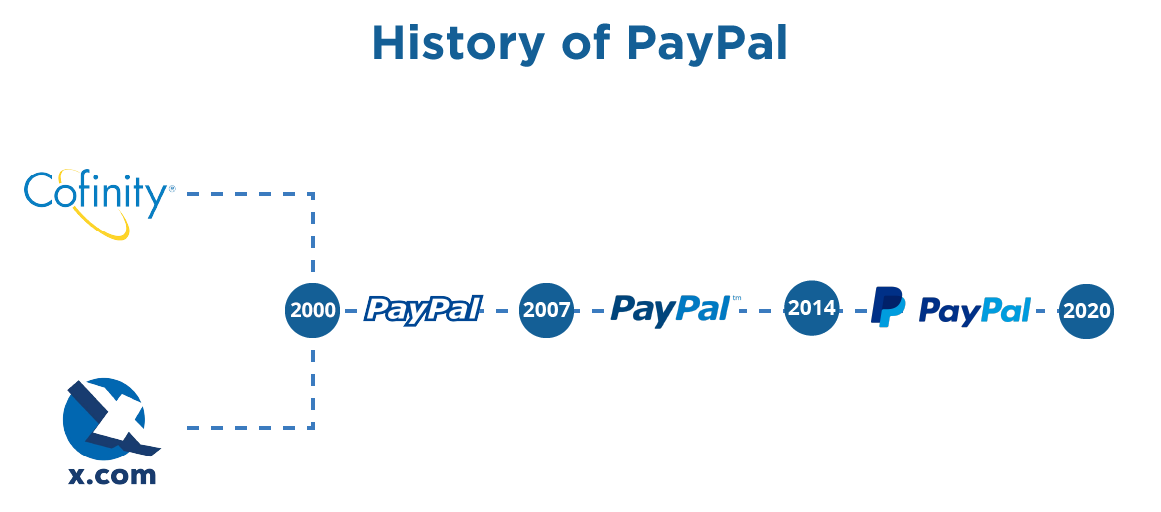
- Original Concept: PayPal was originally Confinity, a security software company for handheld devices.
- Pivot: The founders saw an opportunity in digital payments, shifting focus to online payments. This pivot led to PayPal’s success as a global payment platform.
6. YouTube: From Dating Site to Video Sharing Platform

- Original Concept: YouTube was initially a dating platform called “Tune In Hook Up.”
- Pivot: Recognizing the potential in user-generated video content, founders Chad Hurley, Steve Chen, and Jawed Karim pivoted to video sharing, creating the world’s largest video platform.
7. Airbnb: From Air Bed & Breakfast to a Global Travel Platform
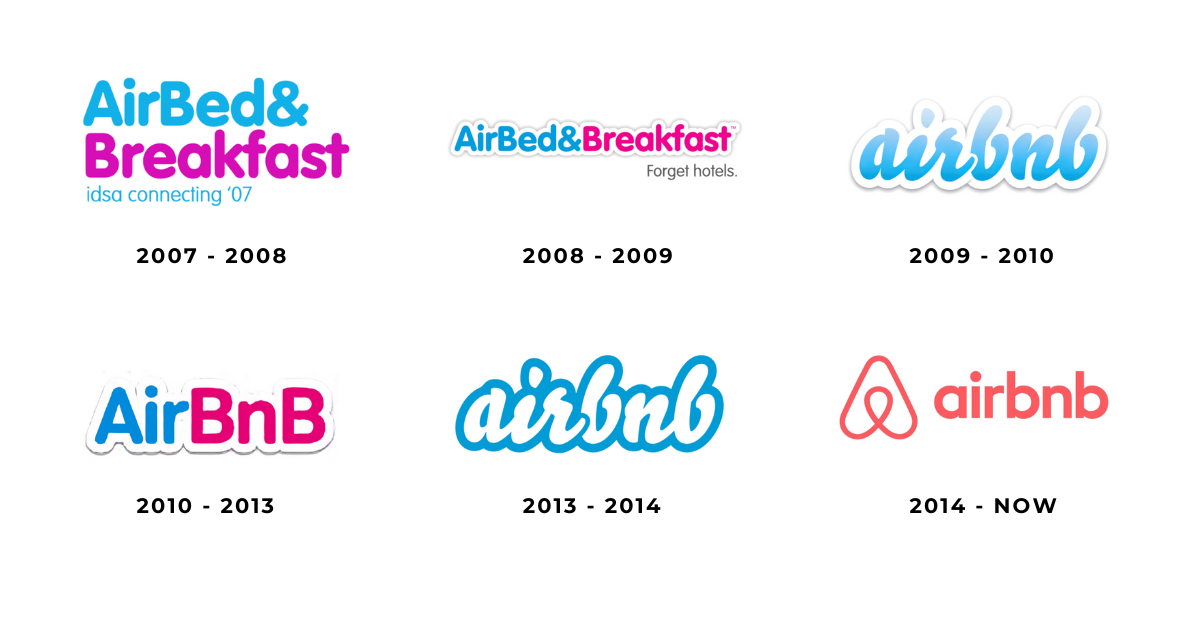
- Original Concept: Airbnb began with renting air mattresses in the founders’ apartment during a conference.
- Pivot: After discovering demand for home rentals, they pivoted to create a full-fledged travel platform, revolutionizing the hospitality industry worldwide.
8. Shopify: From Snowdevil to Shopify

- Original Concept: Shopify started as Snowdevil, a platform to sell snowboarding gear.
- Pivot: Realizing there was no good e-commerce platform for small businesses, the founders pivoted to build Shopify, now one of the largest e-commerce platforms globally.
Core Takeaways from Historic Strategy Shifts
Analyzing these historical corporate evolutions reveals that long-term success rarely depends on having a flawless initial idea. Instead, it relies heavily on an organization’s capacity to remain agile, listen to real-world user metrics, and execute massive structural changes when market realities shift.
- Data Over Ego: Every single one of these companies had to put aside their original passion project to follow where actual user behavior data was pointing.
- Solve Existing Friction: The most successful pivots occur when a company builds an internal solution to a painful problem and realizes that the rest of the market needs that exact tool.
- Timing Is Critical: Adaptability means recognizing macro trends—like shifts in consumer hardware, rising internet speeds, or major corporate competitive moves—and adjusting your Sails before it’s too late.
These pivots demonstrate that adaptability and learning from failure are key to startup success. While pivoting can be risky, the right change can transform a company’s future and even reshape industries. Bold innovation and the courage to take significant leaps often turn a startup into a global success.